Land Clearing Solutions: Getting Your Property Ready for New Opportunities
Land clearing solutions are essential for converting overgrown or congested properties into usable spaces for construction. These professionals meticulously remove obstacles, ensuring a smooth foundation for future projects. With a comprehensive grasp of site inspections and environmental requirements, they strengthen both safety and accessibility. Nevertheless, selecting the appropriate service can be challenging, and grasping the process is critical. What aspects should property holders examine before beginning this undertaking?
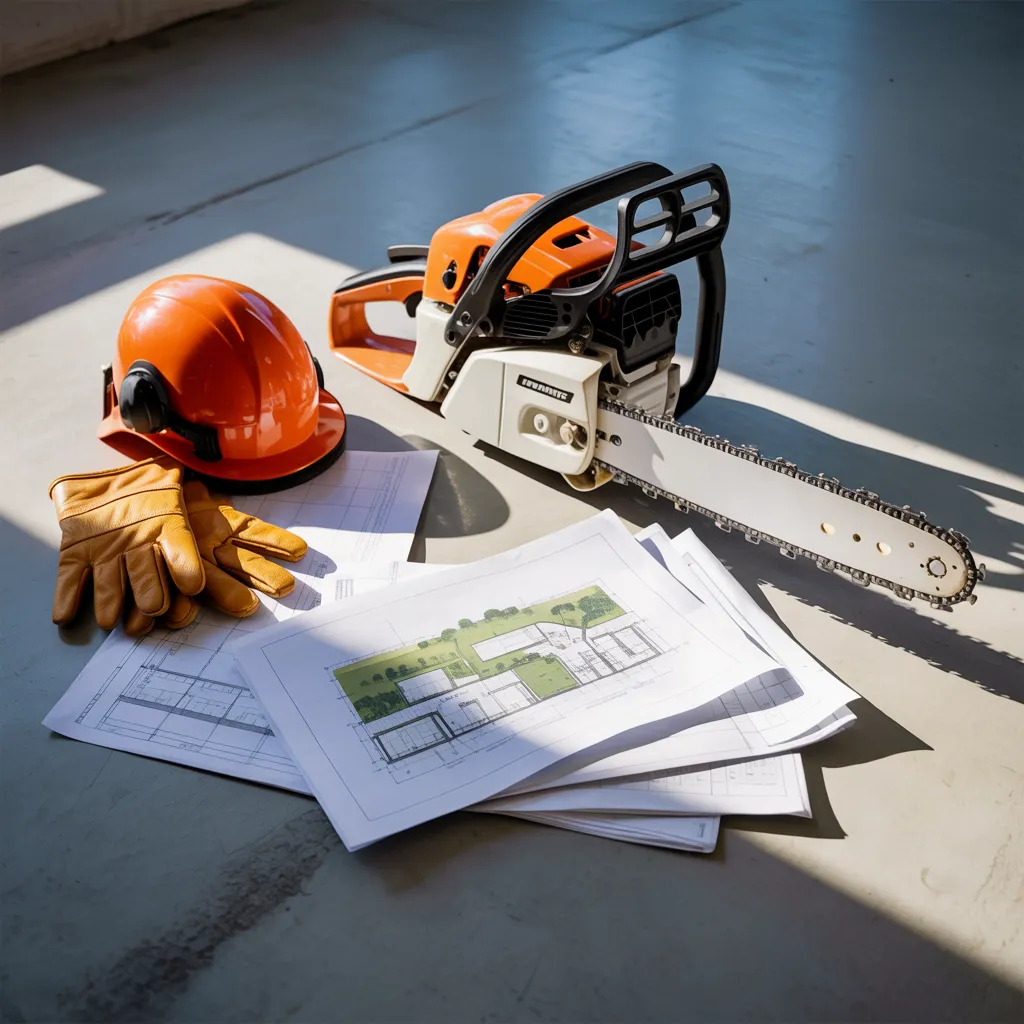
How Land Clearing Shapes Your Property Development Journey
Land clearing initiates a pivotal stage in the property development process by preparing the site for future construction. This critical initial step requires the removal of obstacles such as trees, shrubs, and debris, establishing a blank canvas for builders and architects. By establishing a clear and level surface, land clearing boosts overall accessibility, allowing for efficient movement of equipment and materials.
Additionally, it lays the groundwork for effective planning and development, as planners can accurately assess the spatial layout of constructions more precisely. The approach also helps in pinpointing likely environmental concerns, such as issues with drainage or soil composition, promoting preventive measures.
Furthermore, land clearing can improve security by eliminating hazards associated with unstable terrain and overgrown vegetation. At its core, this impactful step not only simplifies construction but also fosters a better coordinated and deliberate approach to site development, opening the door for new opportunities.
Key Steps in the Land Clearing Process
Clearing a site involves a number of essential steps that ensure an effective and streamlined process. Initially, an in-depth site inspection is carried out to identify obstacles such as trees, rocks, and vegetation. This inspection shapes the strategic phase, where strategies for removal are developed, taking into account environmental guidelines and possible effects.
In addition, property owners are often required to secure the appropriate permits, guaranteeing conformity with regional legal requirements. Once cleared to proceed, powerful equipment, including bulldozers and excavators, is utilized to clear vegetation and debris. Throughout this stage, careful attention is given to minimize soil disturbance and protect surrounding areas.
Subsequent to the extraction, the property receives surface grading to establish a level foundation, preparing it for future landscaping or construction. Lastly, debris is disposed of properly, often through composting or recycling, leaving the site set for new opportunities. Every step is essential to achieve a productive land preparation project.
How to Choose the Right Land Clearing Company for Your Needs
Choosing the best land clearing company necessitates careful evaluation to guarantee the project meets both requirements and regulations. To begin, potential prospects should assess the contractor's expertise and expertise in executing similar projects. A well-established company with a proven track record is typically more dependable.
Next, it is vital to verify that the company maintains the proper permits and insurance, safeguarding both the client and the property throughout the clearing process. Furthermore, reading customer reviews and testimonials can offer important information into the company's reputation and service quality.
Cost assessments are also crucial, as they should be open and thorough, detailing all anticipated expenditures. Property owners should obtain various estimates to confirm they receive fair pricing. Moreover, clear communication is a key factor; a professional contractor will respond to questions and concerns quickly, building a productive partnership. Together, these considerations help identify the most suitable land clearing service for your particular requirements.
Eco-Friendly Approaches to Land Clearing
Incorporating sustainable practices in land clearing is vital for limiting damage to the environment and supporting ecosystem stability. Organizations focused on sustainable practices implement methods that reduce soil erosion, maintain local plant ecosystems, and conserve regional wildlife areas. Approaches including precision clearing enable the elimination of designated plants and vegetation, limiting interference with the natural habitat.
Additionally, utilizing advanced equipment built for low-impact operations aids in reducing disruption to the soil and harm to surrounding flora. Following the clearing process, practices like reforestation and cover crop cultivation are able to rejuvenate the area, enhancing biodiversity and soil health.
Moreover, get started adopting recycling practices, such as converting cleared vegetation into mulch or biofuel, promotes a sustainable circular economy. By prioritizing these environmentally responsible practices, land management services can make certain that future land development supports environmental stewardship, encouraging a healthier landscape for future generations.
How to Get Your Land Ready for Future Projects
Before starting any construction or landscaping project, thorough land preparation is vital to securing a positive outcome. First and foremost, one should examine the land's topography, soil quality, and drainage patterns. This evaluation allows for informed decisions regarding appropriate vegetation, constructions, or additional improvements. Removing debris, rocks, and undesirable vegetation from the land is essential, as it establishes a fresh foundation for upcoming work.
Next, soil analysis should be undertaken to determine nutrient content and pH levels, enabling necessary amendments to promote healthy plant growth. Moreover, defining the boundaries of the project works to clarify the workflow and helps prevent potential disputes from occurring later.
Ultimately, establishing a thorough outline that defines the project's budget, scope, and timeline is critical. This organized approach not only sets clear expectations but also acts as a guiding framework for all participating parties, ensuring efficient progress toward achieving the envisioned goals.
Why Hire Professionals for Your Land Clearing Needs?
Employing experts for land clearing secures access to professional proficiency in equipment handling and upkeep. Their familiarity with safety guidelines and industry standards reduces risks associated with the land clearing process. Ultimately, this professional approach improves efficiency while promoting a safer working environment.
Proficiency In Equipment Use
Maneuvering the challenges of land clearing necessitates expert knowledge and specialized tools, which is where expert services excel. Professionals possess in-depth experience in operating advanced machinery, such as stump grinders, excavators, and bulldozers. This proficiency ensures that projects are completed effectively and thoroughly, minimizing damage to the surrounding environment. Furthermore, experts are well-versed in the most current methods, empowering them to address challenging terrain and dense vegetation with skill. Their skill not only improves output but also reduces the risk of costly mistakes that can result from improper equipment use. By engaging skilled contractors, property holders can feel certain that their land will be cleared safely and thoroughly, paving the way for future projects or landscaping.
Safety And Compliance Guidelines
A complete understanding of safety regulations and standards is vital in land clearing operations, as it secures the safety of both workers and the environment. Land clearing professionals are prepared to adhere to established regulations and professional standards, limiting hazards associated with heavy machinery, hazardous materials, and environmental harm. They apply necessary safety measures, including the use of personal protective equipment (PPE) and conducting risk assessments before commencing work. Adhering to regulations not only reduces potential legal issues but also promotes sustainable land management. Engaging professionals ensures that all processes are performed with safety and efficiency, permitting property owners to focus on their projects without the challenge of maneuvering complicated regulatory and safety requirements.
Questions We Often Receive
What Permits Do You Need for Land Clearing Projects?
Required permits for land clearing projects typically include grading permits, environmental permits, and potentially local zoning approvals. Requirements vary depending on location, so working with local authorities ensures adherence to all required legal regulations prior to beginning the project.
How Long Does It Generally Take to Complete the Land Clearing Process?
The land clearing process generally requires anywhere from one to several weeks, based on factors including the total area size, the thickness of vegetation, and prevailing weather conditions. Each project is unique, significantly affecting the overall timeline.
Can Land Clearing Improve Property Value?
Absolutely, clearing land can increase property value. By removing obstacles and improving aesthetics, it makes the property more desirable to prospective buyers, thereby improving marketability and general value of the land in the real estate market.
What Equipment Is Utilized in Land Clearing?
Land clearing generally makes use of machinery such as excavators, bulldozers, chainsaws, and chippers. These machines effectively eliminate brush, trees, and debris, guaranteeing the land is suitable for upcoming development or farming activities.
Do the Risks of DIY Land Clearing Outweigh the Benefits?
Indeed, there are risks associated with DIY land clearing such as injury from heavy machinery, damage to your property, and harm to the surrounding environment. Furthermore, using improper techniques may result in legal complications regarding permits and regulations, adding further complexity to the overall process.